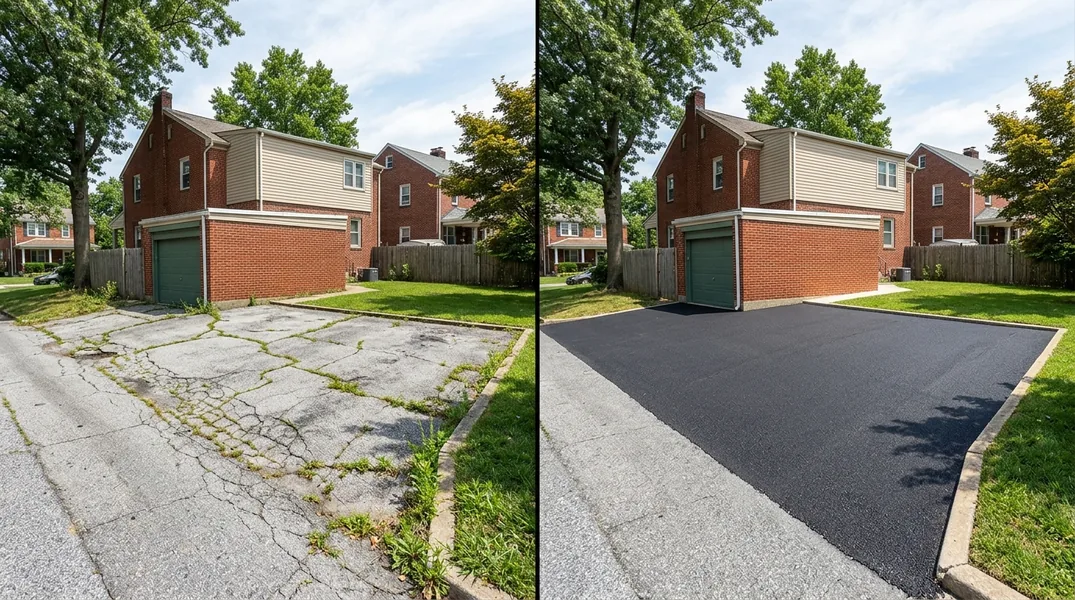
How Long Does New Asphalt Take to Cure?
One of the most common questions homeowners ask after investing in Asphalt Driveway Paving & Installation is how long the curing process takes. The short answer is that asphalt begins to harden within 24 to 48 hours, but full curing can take up to six months. This extended timeline might surprise you, but understanding it is critical to protecting your investment and ensuring your driveway lasts for years to come.
During the first week after installation, your new asphalt will feel tacky or slightly soft in warm weather. This is completely normal. The surface layer hardens quickly due to evaporation of oils and cooling of the material, but the deeper layers need time to fully set and bond. In Wilmington, where temperatures can fluctuate significantly between seasons, the curing process may take slightly longer during cooler months. Patience during this initial phase is essential, as rushing the process or exposing the asphalt to heavy stress too early can compromise its structural integrity and longevity.
How Long Before You Can Drive on New Asphalt?
While your asphalt is technically curable for months, the good news is that you can typically drive on it much sooner. Most professional installers recommend waiting 24 to 48 hours before allowing vehicle traffic on your newly paved driveway. This gives the surface enough time to set and harden to a point where normal passenger vehicles won't leave tire marks or damage the pavement. However, this timeline depends on weather conditions, with cooler temperatures extending the waiting period and warm, sunny weather accelerating the process.
For heavier vehicles or commercial traffic, waiting longer is wise. If you have a delivery truck, moving van, or other heavy equipment that needs access to your driveway, it's best to wait at least three to five days before allowing those vehicles on the surface. The weight of heavy vehicles can compress and deform asphalt that hasn't fully hardened, potentially creating ruts or soft spots that may require Pothole Repair & Asphalt Patching down the line. When you have your Asphalt Driveway Paving & Installation completed in Wilmington, your contractor should provide specific guidance based on the exact conditions of your installation.
New Asphalt Driveway Care: Essential First-Month Maintenance
The first month after installation is crucial for establishing proper new asphalt driveway care habits. During this period, avoid parking in the same spot repeatedly, as concentrated weight in one area can create soft spots or depressions. Similarly, try to minimize sharp turns or rapid acceleration and braking, as these actions place stress on asphalt that is still curing. If you must park on your new driveway, vary the parking location to distribute weight more evenly across the surface.
Keep your new asphalt clean and free of debris, but avoid pressure washing or using harsh cleaning agents during the first month. Light sweeping to remove leaves and dirt is fine, but aggressive cleaning can damage the still-curing surface. If you notice small stones or aggregate coming loose, this is normal and typically resolves on its own as the asphalt continues to cure. Avoid spilling gasoline, oil, or other petroleum products on your driveway, as these substances can soften asphalt and cause permanent staining or deterioration. If spills do occur, clean them up promptly with absorbent material and mild soap.
Preparing Your Driveway for Winter: Sealing and Protection
As fall approaches in Wilmington, preparing your new asphalt for winter weather becomes a priority. While your driveway will have cured significantly by then, winter conditions like freeze-thaw cycles, salt, and snow removal equipment can accelerate wear and damage. The best defense is applying a quality asphalt sealcoat, typically three to six months after installation. A sealcoat protects the asphalt surface from UV rays, water penetration, and chemical damage while extending the life of your pavement by several years.
Before winter arrives, inspect your driveway for any cracks or damage that may have developed during the initial curing period. Small cracks can be sealed with crack filler to prevent water from seeping into the base layers, which can cause potholes and structural failure during freeze-thaw cycles. Ensure that drainage around your driveway is adequate, so water doesn't pool or collect along the edges. When snow removal time comes, use plastic snow shovels rather than metal ones to avoid scraping the asphalt, and request that snow removal contractors use caution around the perimeter of your driveway. De-icing salts can be harsh on new asphalt, so rinse your driveway with fresh water in spring to remove residual salt buildup.
How Often Should You Seal Your Driveway?
Understanding the proper sealing schedule is essential for long-term driveway maintenance. How often to seal driveway surfaces is a question that many homeowners ask, and the answer typically is every two to three years for most climates and usage patterns. In Wilmington, where weather conditions include both hot summers and cold winters, sealing every two to three years is a solid maintenance schedule. Your first sealcoat should be applied three to six months after installation, then followed by resealing every two to three years thereafter.
The frequency of resealing depends on several factors, including the amount of traffic your driveway receives, exposure to sunlight and weather, and the quality of the original installation. High-traffic driveways may need sealing more frequently, while shaded areas that receive less UV exposure may last longer between sealings. Regular inspection of your driveway will help you determine when resealing is needed. If you notice the asphalt looking faded or dull, or if water no longer beads up on the surface, it's time to reseal. Proper sealing is far more cost-effective than dealing with major repairs or Asphalt Resurfacing & Overlay work down the road.
When to Call a Professional for Driveway Maintenance Near Me
While homeowners can handle basic maintenance like sweeping and inspection, certain tasks require professional expertise. If you notice significant cracks, potholes, or areas where the asphalt is crumbling or separating from the base, it's time to call in the experts. Attempting DIY repairs on these issues can lead to temporary fixes that don't address the underlying problem, ultimately costing you more money in the long run. Professional contractors have the equipment, materials, and knowledge to properly diagnose and repair asphalt issues before they become major problems.
If you're in Wilmington and need professional asphalt maintenance, sealing, or repairs, Wilmington Asphalt Paving is here to help. Our team has extensive experience with new asphalt care and can guide you through proper maintenance to maximize your driveway's lifespan. Whether you need your first sealcoat application, crack filling, or more extensive Driveway Repair, we're equipped to handle it. Contact us today at (302) 397-3315 or visit our website to request a free estimate for your driveway maintenance needs. Investing in professional care now will protect your asphalt investment and keep your driveway looking great for years to come.
Looking for a professional asphalt paving contractor in Wilmington? Wilmington Asphalt Paving responds fast for all your asphalt paving needs.
Get a Free Quote